
Last Updated on March 4, 2026 by Dr. Lilian Jaime
Certain words in dentistry seem to arrive with baggage. Root canal therapy is one of them. Say it out loud, and you can almost feel the reaction. A pause. A wince. An expression that suggests something between caution and dread. Few treatments have accumulated such a dramatic reputation. Somewhere along the way, root canals became dentistry’s unofficial villain. Today, root canal therapy reflects just how far dental care has evolved. Advances in technology, techniques, and patient comfort have transformed the experience into something far more manageable than its reputation suggests. What many expect to be daunting is typically structured, controlled, and focused on preserving your natural tooth.
At Sunshine Dental, we regularly watch perceptions evolve in real time. Patients who arrive bracing for the worst often leave with a very different perspective: relief, reassurance, and the comfort of knowing the procedure was far more manageable than expected.
Understanding Root Canal Therapy
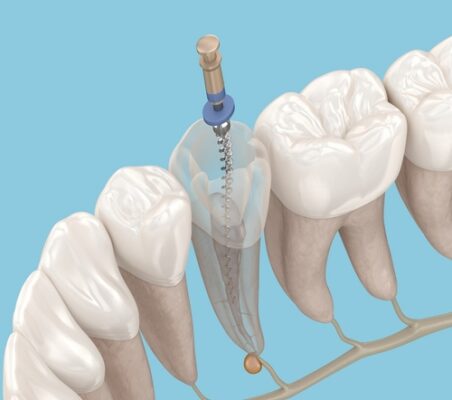
Understanding root canal therapy begins with understanding the structure of a tooth.
The portion you see above the gumline is called the crown. It is protected by enamel, the hardest tissue in the human body. Beneath that outer layer is the internal space of the tooth, known as the pulp chamber.
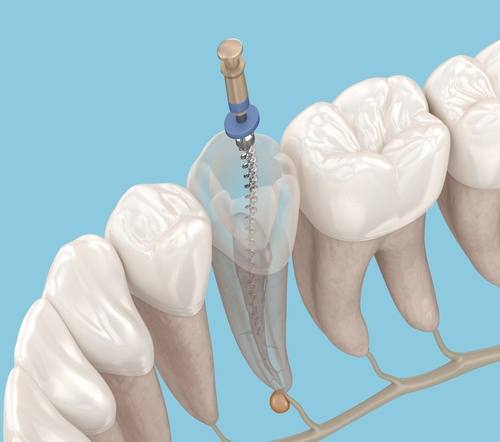
The pulp chamber contains soft tissue called the pulp. This tissue includes nerves, blood vessels, and connective tissue that support the tooth during its development. The chamber connects to narrow pathways that extend down through the roots. These pathways are called root canals.
Despite how the name sounds, root canals are not large or hollow like open tubes. They are extremely small channels that follow the natural shape of each root. Some teeth contain a single canal. Others contain multiple canals that may curve or branch.
The pulp is often described as “just a nerve,” but it is more accurately a living tissue system. When the pulp becomes inflamed or infected, discomfort is usually the signal. Pain does not automatically mean the tooth must be removed. In many cases, the tooth can be preserved with root canal therapy.
A separate but very common concern is that a tooth becomes “dead” after root canal therapy. This belief usually comes from confusion about what the procedure removes. Treatment focuses on the damaged or infected pulp inside the tooth, not the tooth as a whole. Once treated, it continues to function normally. With appropriate care, the treated tooth can remain stable and serve its role for many years.
What To Expect From Root Canal Therapy
Dentists perform root canal therapy with a clear goal: saving your natural tooth. No replacement fully duplicates the tooth you were born with, which makes timely care especially important. Delaying treatment can allow the infection to spread deeper into the root and surrounding bone. As that progression continues, the likelihood of a straightforward, predictable outcome may decrease.
First, Dr. Jaime gently numbs the area with local anesthesia to keep you comfortable throughout the procedure. Once the tooth is fully anesthetized, she creates a small access opening in the crown. That opening allows her to reach the pulp chamber and the narrow canals within the roots.
Dr. Jaime then carefully removes the infected pulp tissue. She then cleans the canals to eliminate bacteria and debris while shaping the space for a secure filling. After she thoroughly disinfects and dries the canals, Dr. Jaime fills them with a biocompatible material that seals the tooth’s interior. Finally, she places a temporary seal to protect the area.
In most cases, Dr. Jaime will recommend a crown after your treatment. The tooth remains functional, but a dental crown provides essential reinforcement, helping prevent fracture and restoring full strength.
Protect Your Oral Health Today
Root canal therapy relieves discomfort and preserves your natural tooth. If you are noticing lingering sensitivity, persistent tooth pain, or discomfort when biting down, your tooth may be signaling that something is wrong beneath the surface. If you want to address tooth pain, prevent infection from spreading, and keep your natural tooth, schedule a free consultation at Sunshine Dental. We will evaluate the source of the problem and provide treatment that protects your long-term oral health.