
Sleep has a way of keeping certain habits out of sight. You might grind your teeth without realizing it, only to wake up with a sore jaw. Some people talk in their sleep. Others move around or shift positions without ever waking. These patterns happen without much awareness, and often go unnoticed unless someone else points them out. Sleep apnea treatment often begins with that same realization. Snoring, gasping, or brief pauses in breathing can occur throughout the night without a clear memory the next day. Instead, it shows up in how you feel. You wake up unrested, assume it was a poor night’s sleep, and move on without a clear explanation.
However, those breathing disruptions are not random. At Sunshine Dental in Albuquerque, NM, we provide sleep apnea treatment that addresses what is happening during sleep, so you can finally wake up feeling rested.
A Clear Look at Sleep Apnea Before Discussing Treatment
Sleep apnea is often described as pauses in breathing during sleep, but that definition only tells part of the story. The condition reflects a recurrent breakdown in the body’s ability to maintain steady breathing overnight. Airflow slows or stops, oxygen levels begin to drop, and the brain responds by briefly shifting you out of deeper sleep to correct it. Most people never notice these interruptions as they occur, but they occur often enough to disrupt sleep.
These disruptions follow a pattern throughout the night. As you move into deeper stages of sleep, the muscles that support the airway relax. In some cases, the airway narrows or closes, creating a physical blockage even as the body continues to try to breathe. In other cases, the airway remains open, but the brain does not consistently signal the body to breathe. Although the causes differ, both lead to inconsistent airflow and repeated interruptions of the normal sleep rhythm.
Clinically, sleep apnea is a sleep-related breathing disorder characterized by recurrent episodes of apnea and hypopnea. An apnea is a complete pause in airflow, while a hypopnea is a partial reduction in airflow. Each event typically lasts at least 10 seconds and can occur many times per hour. Instead of moving through sleep in a continuous, restorative way, the body is repeatedly pulled out of deeper sleep, which affects overall sleep quality and how the body recovers overnight.
Sleep Apnea Treatment in Albuquerque, NM
A formal sleep evaluation, either through a home sleep test or an in-lab study, records what actually happens overnight. It shows how often breathing slows or stops, how oxygen levels respond, and how disrupted your sleep becomes as a result. That information shapes everything that follows.
Map Out Treatment
After reviewing your sleep study, Dr. Jaime uses those findings to build a treatment plan based on your specific diagnosis. The type of apnea, how often breathing is disrupted, and how your oxygen levels respond all guide that decision. Treatment is selected with those factors in mind so it directly addresses what is happening during your sleep.
Sleep apnea also requires ongoing care, so the approach has to fit into your routine in a way that you can follow every night. If a treatment is difficult to use or uncomfortable, it becomes harder to rely on it consistently, limiting its effectiveness.
Maintain Airflow
Most treatment plans center on maintaining an open airway during sleep. Positive airway pressure devices, such as CPAP, APAP, or BiPAP, deliver a steady flow of air to prevent the airway from collapsing. These devices are often recommended first because they directly address the physical blockage that causes many apnea events.
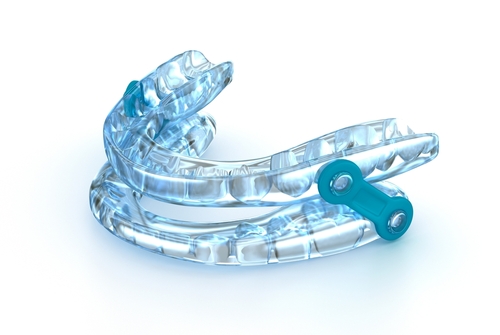
For some patients, oral appliances provide an alternative to pressurized air therapy. These custom devices gently position the lower jaw and tongue forward, which helps maintain an open airway throughout the night without the use of airflow from a machine.
Adjust Daily Habits
Daily habits can also affect how your airway functions during sleep. Weight changes, sleep position, and habits like alcohol or sedative use can influence how easily the airway narrows or closes. Adjusting these factors can support your primary treatment and improve its effectiveness.
The goal is to reduce breathing disruptions, maintain steady oxygen levels, and support more consistent sleep.
Find the Real Cause Behind Restless Sleep
Better sleep begins with recognizing that feeling tired is not always about how long you sleep, but how your body moves through the night. Sleep apnea treatment works by restoring a more stable pattern, so your sleep supports you instead of working against you.
If you’ve been dealing with restless nights or unexplained fatigue, we can evaluate your sleep and recommend a long-term treatment plan. Schedule a free consultation at Sunshine Dental to learn more.