Conventional Implants vs Mini Dental Implants
In this video, Dr. Lilian Jaime explains why these two implant types follow very different treatment timelines and recovery paths.
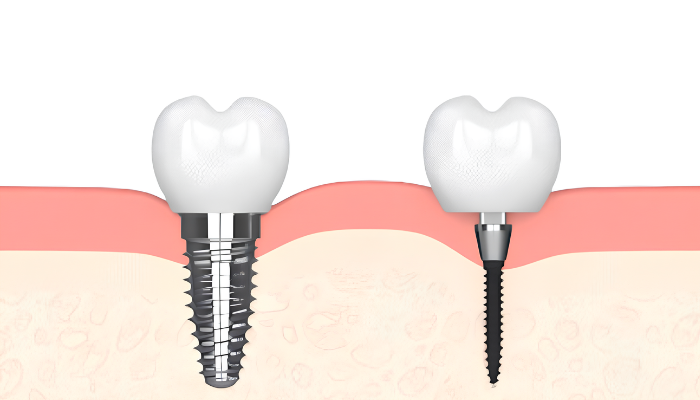
Traditional dental implants use a different technique. In many cases, bone grafting is required, and larger-diameter implants are placed into the jaw. After the implants are placed, patients typically must wait four to six months for the bone to heal.
Once healing is complete, the area is reopened, and an abutment is attached to the implant. This is the connector that holds the final crown or prosthetic. After that, the crown or final restoration is placed to complete the treatment.
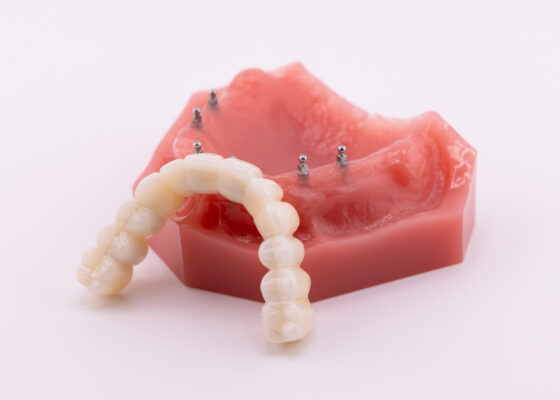
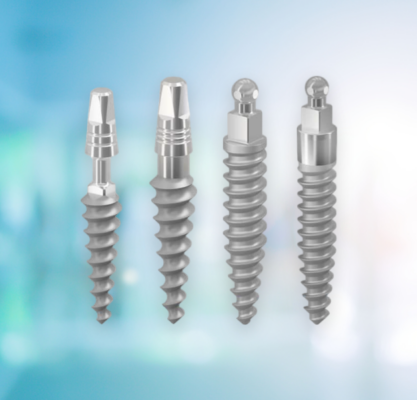
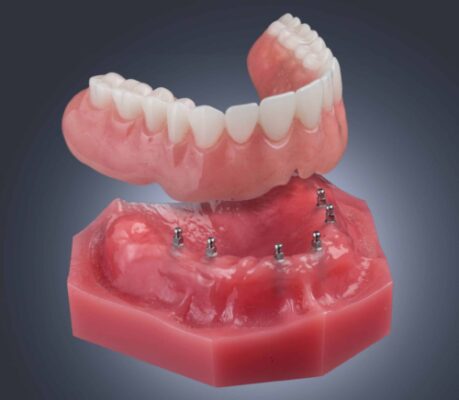
With mini dental implants, the process is much simpler. We create a small opening in the bone, place the implant, and allow a short healing period of just a few weeks. After that, the final restoration is placed, whether it is a crown, a denture, or a fixed bridge.
Because of this approach, treatment with mini implants is significantly faster, with less discomfort and a quicker healing time compared to traditional implants.
If you or someone you love is struggling with missing teeth or loose dentures, contact Sunshine Dental in Albuquerque, NM, for a free consultation to learn how our dental implant treatments can enhance your smile, improve your function, and restore your self-confidence.

Related Videos
- What Is a Dental Implant?
- What Is a Mini Dental Implant?
- The Benefits of Mini Dental Implants
- What Is the Success Rate of Mini Dental Implants?
- Are Dental Implants Safe?
- Is Getting a Dental Implant Painful?
- What Are the Benefits of One-Piece Implants?
- How To Choose the Best Dental Implant Type for You
- Options for Replacing a Missing Tooth
- Options for Replacing Multiple Teeth
- Can Dental Implants Replace All of My Teeth?
- Who Is a Good Candidate for a Mini Dental Implant?
- What If I Don’t Have Enough Bone for a Dental Implant?