
Gum Disease Treatment in Albuquerque, NM
Gum disease doesn’t only progress because people stop brushing. It develops for a number of reasons when bacteria accumulate where daily care cannot reach. This causes changes in how the gums support the teeth. People often feel fine during this shift. There is often no pain, no warning, and no clear moment when something feels wrong. By the time symptoms appear, the foundation has started to change. Gum disease treatment addresses this early breakdown. Brushing and flossing remain fundamental, but mainly work on visible surfaces. Below the gumline, bacteria can persist, trigger inflammation, and slowly weaken the attachment between gums, bone, and teeth.
A similar process happens in nature. Certain insects live beneath the bark of a tree and bore through the layers that carry water and nutrients upward. From the outside, the tree may look stable for years. Internally, its support system is compromised. Along the gumline, oral bacteria act in much the same way. They harm essential tissues out of sight and gradually cut off the healthy support structures that keep teeth secure. Gum disease treatment can intervene at that hidden stage, when protecting structure and stability is still possible.
Signs, Stages, and Causes of Gum Disease
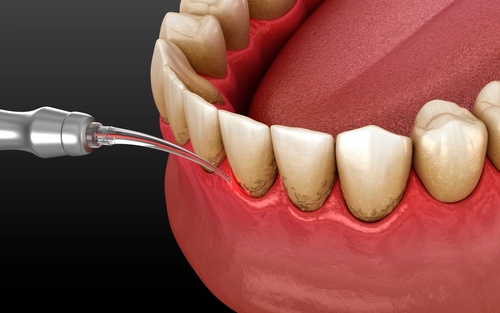
Gum disease develops gradually, and each stage shows a small shift in what is happening along your gumline.
The process often begins with gingivitis. Bacteria collect where your teeth meet your gums, forming a thin film called plaque. When plaque stays in place, it irritates the surrounding tissue. You might notice redness, swelling, or bleeding when you brush or floss. Your breath may feel less fresh than usual. At this point, the deeper support beneath your gums remains stable, so these early signs often feel minor or temporary.
If plaque keeps building up, it can harden into tartar, letting bacteria move below the gumline. This is where early-to-moderate periodontitis begins. Your body responds by sending inflammatory cells into the area. As this defense stays active, the gums start to pull slightly away from the teeth, creating small spaces that collect more bacteria. Bleeding may happen more often, tenderness can develop, and early changes in the supporting bone may begin, even if your teeth still feel secure.
As the disease advances, inflammation reaches deeper layers of support. More bone and connective tissue break down over time. The gums recede, pockets around the teeth deepen, and roots may become exposed. Teeth can start to feel loose or shift, and your bite may no longer feel the same. At this stage, the effects are harder to ignore because the support system around the teeth is compromised.
Across every stage, the pattern stays consistent. Bacteria linger along the gums. Your immune system stays activated in response. When that reaction continues too long, it begins to damage the tissues meant to protect and stabilize your teeth. What starts as surface irritation can slowly change how your gums and bone support your smile.
How Gum Disease Treatment Changes by Stage
Gum disease does not respond to a single treatment. As the condition progresses, our approach must change. Early on, we focus on interruption and control. As damage deepens, treatment becomes more targeted and sometimes more involved.
Gingivitis
When gum disease remains in its earliest stage, we focus on removing irritants and strengthening daily habits before lasting damage develops. At this point, inflammation remains close to the surface, allowing us to rely on non-surgical care.
We begin with a professional cleaning to remove plaque and tartar from above and just under the gumline. Next, we help you fine-tune brushing and flossing techniques and, when helpful, introduce tools to improve access between teeth. We may also recommend more frequent cleanings so that buildup does not return.
The goal at this stage is simple. We want to calm inflammation, allow the gums to heal, and restore stability using the least invasive approach possible.
Mild to Moderate Periodontitis
Once bacteria settle further beneath the gums and affect the tissues supporting your teeth, routine cleanings no longer reach far enough. Treatment must go deeper to interrupt the process.
We often recommend scaling and root planing, which involves cleaning beneath the gums and smoothing the tooth roots. This method reduces places where bacteria cling and gives the gums a better chance to reattach. After that, we monitor changes through more frequent maintenance visits, checking pocket depths and watching for signs of continued inflammation.
At this stage, treatment focuses on control. We aim to limit further breakdown, reduce pocket depth, and prevent disease progression, often without the need for surgery.
Advanced Periodontitis
In advanced stages, deeper pockets, bone loss, and tooth mobility show that simple cleaning cannot address the problem. At this point, a more aggressive approach is needed to reach areas that would otherwise remain unreachable.
We may recommend periodontal surgery to lift the gums, remove deep deposits, and reshape the bone so the gums can sit more securely against the teeth. In many cases, laser dentistry offers a less invasive option than traditional surgery. When certain teeth can no longer remain stable, we also discuss removal and replacement options like dental implants to restore function and balance.
Here, the attention turns toward stabilization. We work to preserve what can be saved, rebuild support when possible, and restore comfort and function if teeth have already been lost.
Find Out If You Need Gum Disease Treatment
If you have noticed bleeding, tenderness, or changes along your gumline, or you want clarity about where gum disease may be developing, we can help you understand your stage and why it matters. We take time to evaluate your gums, measure changes in support, and explain what those findings mean for your long-term oral health.
If you want a clear picture of your gum health and how it may be changing over time, schedule a free consultation with our team at Sunshine Dental.
Frequently Asked Questions
It is rarely too late to address gum disease, but outcomes depend on how far the condition has progressed and your overall health. In early stages, inflammation can often resolve once bacteria are brought under control.
In more advanced stages, some damage to bone or tissue may be permanent, but care can still slow progression, reduce inflammation, and help protect the remaining support around the teeth. The earlier gum disease is identified, the more options remain available.
Yes. Hormonal changes during pregnancy can make the gums more reactive to plaque and bacteria. This increased sensitivity may lead to swelling, redness, and bleeding, a pattern often referred to as pregnancy-related gingivitis.
Maintaining consistent brushing and flossing, along with regular dental visits, helps manage these changes and allows issues to be addressed early.
Gum disease often begins with changes along the gumline. Common signs include gums that appear red or swollen, bleed during brushing or flossing, or gradually recede from the teeth. Persistent bad breath can also indicate bacteria collecting below the gums. Some people notice tenderness, discomfort when chewing, or subtle changes in how their teeth come together.
If you notice these changes, an exam can help clarify what is happening and whether those changes need to be monitored more closely.