
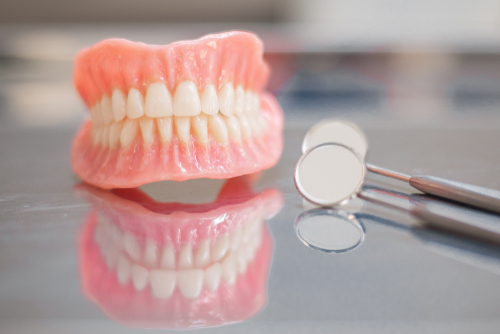
Denture stabilization is something we explore often with our patients at Sunshine Dental. When you invest in a traditional denture, you expect it to feel stable and reliable. The challenge is that the fit you have today may not be the fit you have years from now.
After you lose your natural teeth, you also lose the tooth roots that once stimulated the surrounding jawbone. Without that stimulation, the bone gradually shrinks and changes shape. As the foundation under your denture changes, you may notice more movement, a looser fit, or new areas of discomfort. Denture stabilization gives us a way to add support. We place dental implants in the jaw and use them to help secure your denture, giving it a more stable foundation.
You may be wondering whether the movement, discomfort, or daily workarounds you have experienced are simply part of wearing dentures. Some changes, however, can tell us your denture no longer provides the stability you need.
Is It Time To Consider Denture Stabilization?
Dentures can become harder to manage in ways that are easy to dismiss at first. You may notice a little movement when you chew, reach for adhesive more often, or change how you eat without thinking much about it. Over time, those small adjustments can tell us a lot about how well your denture is functioning.
Have You Noticed Your Denture Moving Throughout the Day?
Your denture should stay reasonably secure while you eat, speak, laugh, cough, or yawn. At some point, you may notice the denture move when you bite into food, hear it click while you speak, or use your tongue to push it back into place.
Lower dentures often give people more trouble with movement. They have less surface area for support and no palate to help with suction. If your lower denture feels especially loose, stabilization may help provide more support.
Have You Started Relying More Heavily on Denture Adhesive?
Think about how often you use denture adhesive now compared with when your denture felt more secure. Are you applying more? Do you need to reapply it later in the day? Do you feel uncomfortable leaving home without it?
Adhesive can help with retention, but increasing dependence on it may point to a change in how your denture fits or stays in place. We can examine the denture and your mouth to determine whether an adjustment or reline can address the problem. If the denture still lacks the stability you need, we can also discuss stabilization.
Have You Changed What or How You Eat Because of Your Denture?
Have you stopped choosing certain foods because they make your denture move? Do you cut food into very small pieces, chew slowly, or favor one side of your mouth? You may also avoid firmer foods because you do not trust the denture to stay in place while you chew.
If you regularly change how or what you eat to keep your denture from moving, dental implant support can help keep it more stable while you chew.
Have You Needed Repeated Adjustments for the Same Denture Problems?
Dentures need maintenance as your mouth changes. Adjustments and relines can improve fit, relieve pressure, and help a denture function more comfortably.
The pattern becomes more important when the same problems keep returning. A moving denture can rub against your gums and create sore or irritated areas. You may have the denture adjusted, feel better for a while, and then notice the same trouble again.
Denture Stabilization Options at Sunshine Dental
A loose denture can have more than one cause, so Dr. Jaime first looks at what is happening when you wear it and why it may no longer fit the way it once did.
During your evaluation, we consider:
- How your denture fits: We look for movement, pressure points, and areas where the denture has lost support.
- How much your jawbone has changed: A CT scan allows us to see the shape and volume of the bone beneath the denture.
- If your current denture can be modified: We examine your denture’s condition and fit to determine whether we can adapt it to connect to dental implants.
Explore Your Options for Denture Stabilization
A denture that needs constant managing is telling you something. The key is figuring out whether the problem comes from the denture’s fit, changes in the jawbone, or a lack of support that dental implants could improve.
Dr. Jaime considers these factors together before recommending denture stabilization. In some cases, the existing denture can still be modified and used. In others, a different approach may make more sense. The recommendation should come from what she finds, not from assuming every loose denture needs the same treatment. Schedule a free consultation at Sunshine Dental to have your denture evaluated.